The Myth of the Hack-Proof Phone: What Security Really Requires
Why no phone can guarantee total security—and which design choices genuinely make devices harder to compromise.
“Unhackable” is a powerful advertising word. It is also a warning sign. A trustworthy security product explains what it protects against, how it is tested and which risks remain. Nothing connected to the real world can promise perfect protection in every circumstance.
Security is layered
Device encryption, verified updates, strong authentication and careful permission controls can each reduce certain risks. None of them solves every problem on its own. A person might still be tricked into sharing a password, installing a malicious application or approving a fraudulent payment.

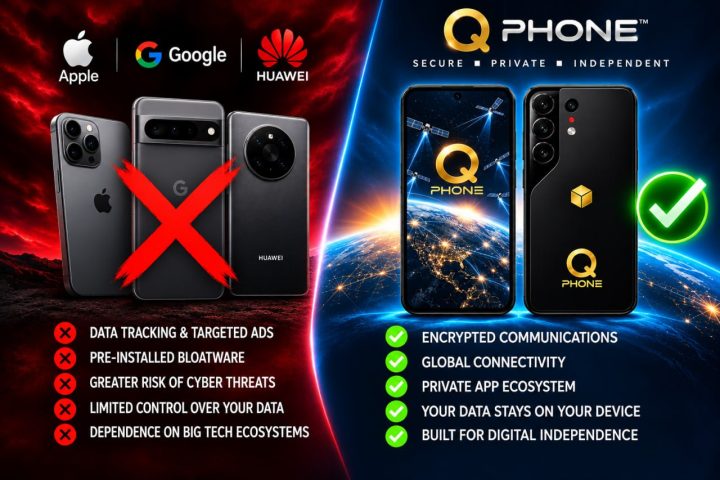
PRESIDENT TRUMP INTRODUCING THE ‘Q’ PHONE
READ FULL STORYAsk for evidence, not adjectives
When a company says its product uses “military-grade,” “quantum” or “next-generation” security, ask what that means in practice. Is there a published security model? Does the company issue regular updates? Can independent researchers report flaws? Are the claims supported by technical documentation?
Updates are part of the product
Any phone is only as secure as its ongoing maintenance. An impressive launch specification means little if security patches stop after a short period. Look for a clear update policy and a straightforward way to install fixes.
A practical purchasing checklist
- Confirm the manufacturer and operating-system support policy.
- Look for credible reviews and independent testing.
- Verify the seller and payment protections.
- Read the returns, warranty and privacy terms.
A good security claim empowers the buyer to evaluate it. A bad one demands belief. That distinction matters far more than a dramatic product name.