Breaking-News Scams: Why Urgency Is a Cybersecurity Red Flag
Learn how fake alerts, invented deadlines and countdown-style offers pressure people into unsafe decisions.
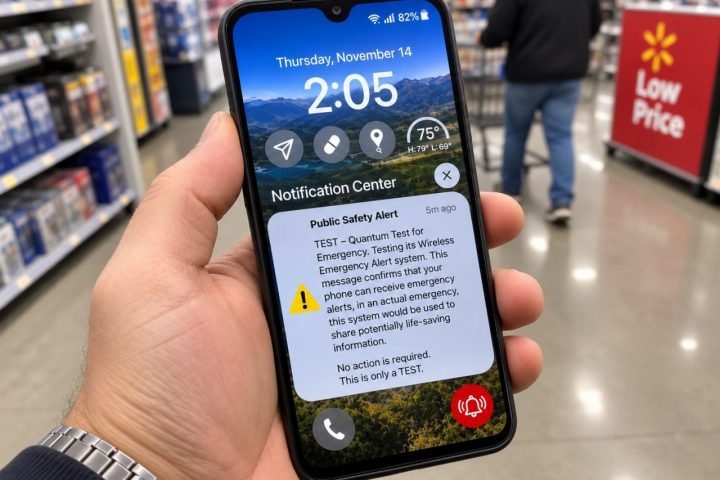
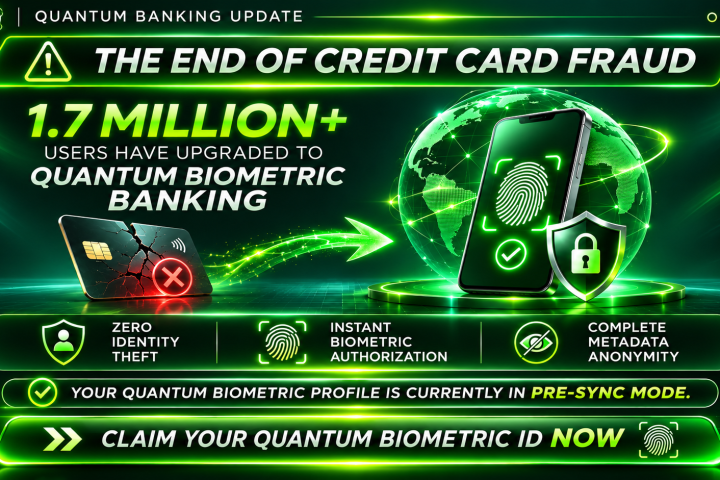
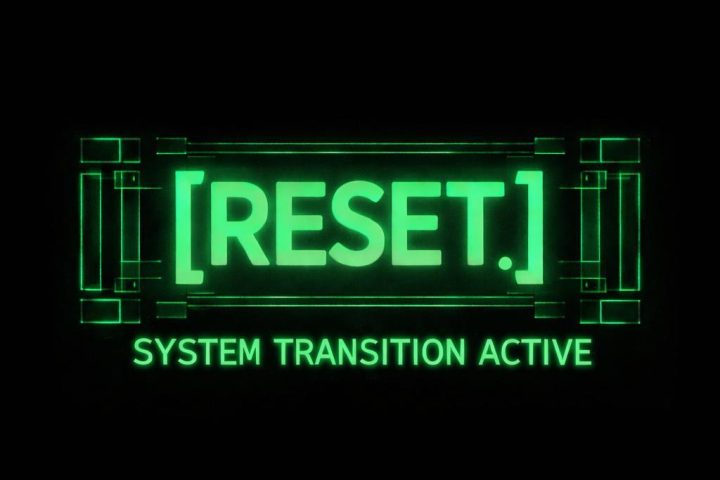
A message says a major announcement is hours away. A website claims accounts must be verified before a deadline. Another post warns that a special device is available only while supplies last. These messages have something in common: they try to make readers act before they verify.
Urgency is a technique, not evidence
Scammers frequently use countdowns and alarming claims to reduce the time people spend checking facts. Sometimes a real company also uses limited-time promotions, so urgency alone does not prove fraud. The key is whether the underlying claim can be confirmed independently.

PRESIDENT TRUMP INTRODUCING THE ‘Q’ PHONE
READ FULL STORYThree checks before clicking
- Check the source: is the announcement on an official, independently verifiable channel?
- Check the action: is the message requesting money, account credentials, a recovery phrase or identity documents?
- Check the evidence: is there a clear product specification, company identity, refund policy or documented announcement?
Be especially careful with edited images
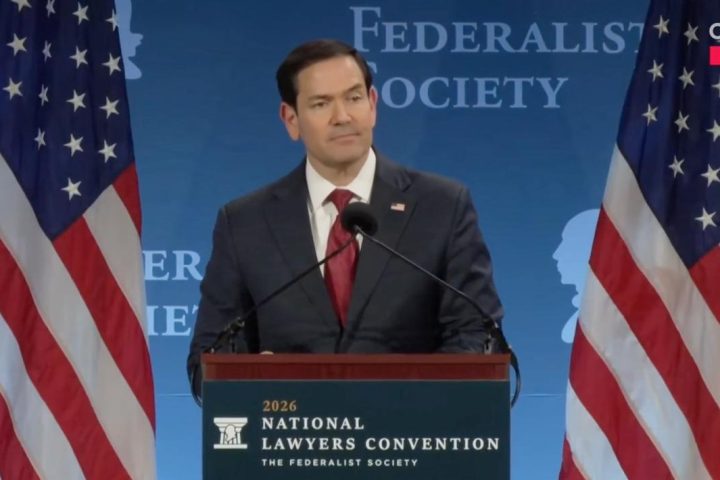
Images combining recognizable public figures, dramatic graphics and quotation marks may be illustrative or fabricated. A quote attributed to a politician, executive or government agency should be verified from the original speech, transcript or official statement.
If you already clicked
Do not panic. Close suspicious pages, change exposed passwords through official websites and contact your financial provider promptly if you sent money or payment details. Keep records of the interaction.
Reliable information can withstand a second look. Before sharing a breaking-news claim, give yourself that second look.