Post-Quantum Encryption: Why Tomorrow Needs New Digital Locks
A guide to the distinction between quantum computing, quantum cryptography and future-proof security.
Q PHONE CHRONICLES — FICTION / FUTURE-FOCUSED COMMENTARY. This publication combines speculative stories with explanatory technology articles. Fictional scenes, products and payment systems are not verified announcements.
When people hear “quantum security,” they often imagine a mysterious device that makes messages impossible to intercept. The actual challenge is more specific: some widely used cryptographic methods could be vulnerable to sufficiently powerful quantum computers in the future.
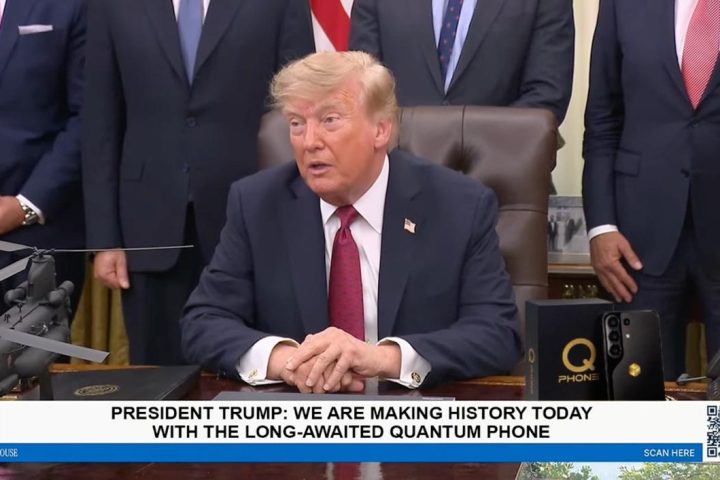
PRESIDENT TRUMP INTRODUCING THE ‘Q’ PHONE
READ FULL STORYThat is one reason security researchers and standards organizations have worked on post-quantum cryptography—algorithms designed to resist attacks from both conventional and quantum computers.
The important distinction
Post-quantum cryptography does not necessarily require a quantum phone or a quantum network. It is often ordinary software running mathematical methods chosen to address potential future attacks. Quantum key distribution, by contrast, uses specialized quantum hardware and different protocols.
The two approaches should not be confused simply because their names sound similar.
Why preparation begins early
Sensitive information can remain valuable for years. An attacker might record encrypted traffic today in the hope of decrypting it in the future if a new capability becomes available. That concern is often called “harvest now, decrypt later.”
For a business, preparing means making an inventory of cryptographic systems, following trusted standards and planning updates with experienced security teams. For an individual, routine software updates and reputable services are the practical starting point.
A phone from the fictional 2035
In an imagined Q Phone Chronicles story, the phone’s settings panel displays which encryption protocols protect stored files and communication, how recently each component was updated, and whether the owner needs to take action. The interface explains changes without asking the user to become a cryptographer.
That level of transparency would be useful, but it would not eliminate bad links, compromised accounts or malware. There is no verified “hack-proof quantum phone” implied by this story.
The future of security will depend on open review, trustworthy updates, sound architecture and human judgment—not a single futuristic label.