The Q Phone Privacy Blueprint: Imagining a Phone That Puts Owners First
A fictional design brief explores what privacy would look like if every permission, update and backup were built around the person holding the device.
Q PHONE CHRONICLES — FICTION / FUTURE-FOCUSED COMMENTARY. This publication combines speculative stories with explanatory technology articles. Fictional scenes, products and payment systems are not verified announcements.
A phone can be a camera, a wallet, a map, a notebook and a doorway into nearly every account you own. That convenience creates a design challenge: how can a device be useful without asking its owner to surrender unnecessary control?

PRESIDENT TRUMP INTRODUCING THE ‘Q’ PHONE
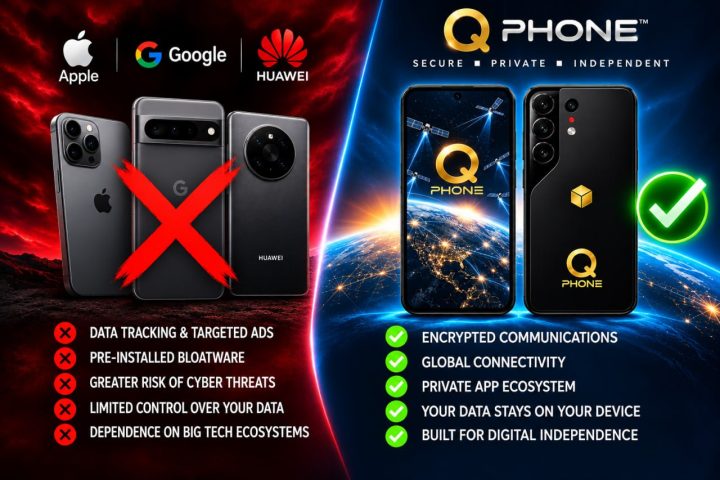
READ FULL STORYIn the fictional future explored by Q Phone Chronicles, a design studio sketches a concept called the Q Phone. It is an imagined device, not a verified commercial handset or an official product announcement. Its central principle is simple: privacy should be understandable, not buried in menus.
The owner’s dashboard
The concept begins with a dashboard that answers plain questions: Which apps used my microphone today? Which apps accessed my location? Where are my backups stored? A clear activity history would help users make decisions based on information rather than guesswork.
Instead of treating every permission as permanent, the fictional interface offers temporary access. A map app can use location while navigation is active, and a camera app can use the microphone only when recording video. The owner can review or revoke both later.
Security without magical promises
The fictional brief calls for end-to-end encrypted conversations, regular security updates, strong device authentication and options for local backups. Those are sensible design goals, but their effectiveness depends on careful implementation and independent testing. Encryption does not stop phishing, stolen passwords or every software flaw.
A particularly useful imagined feature is an update receipt: whenever the operating system changes, the phone explains what changed, why it matters and how long the device will receive support.
Control includes the right to leave
The blueprint also asks whether a user can export contacts, photographs and documents in common formats. True ownership should not depend on making it impossible to move to another device. Repair options and transparent terms would matter just as much as futuristic hardware.
The result is not a claim that the Q Phone exists with these features. It is a speculative checklist for a better mobile experience—and a reminder that no phone is automatically private simply because its marketing says so.