When the Towers Went Dark: A Fictional Q Phone Network Keeps a City Talking
In an imagined citywide outage, an experimental mesh network becomes the lifeline between neighborhoods.
Q PHONE CHRONICLES — FICTION / FUTURE-FOCUSED COMMENTARY. This publication combines speculative stories with explanatory technology articles. Fictional scenes, products and payment systems are not verified announcements.
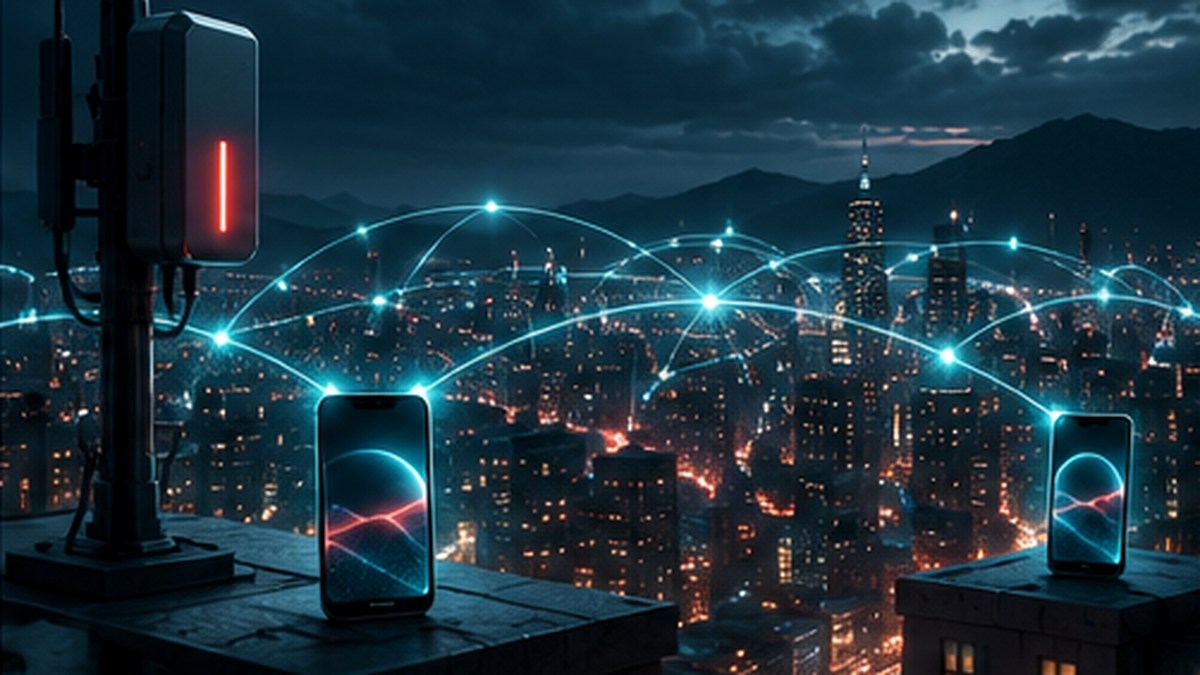
FICTIONAL DISPATCH — YEAR 2035. A winter storm rolls across the city just after midnight. Traffic signals fade, cellular towers fall silent and thousands of people reach for phones that can no longer find a conventional network.
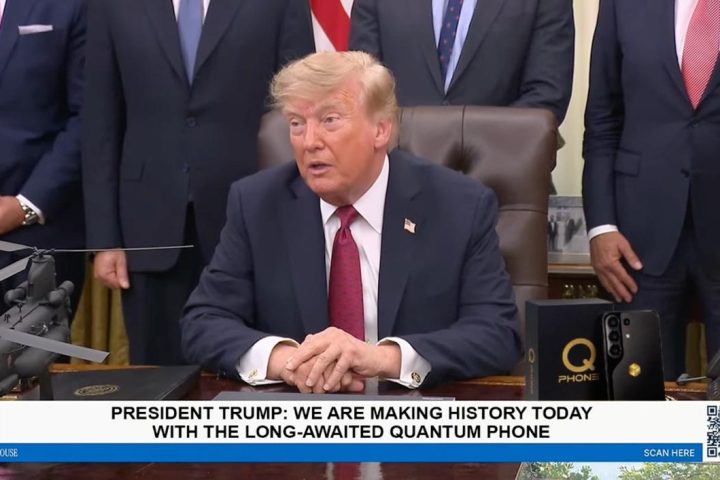
PRESIDENT TRUMP INTRODUCING THE ‘Q’ PHONE
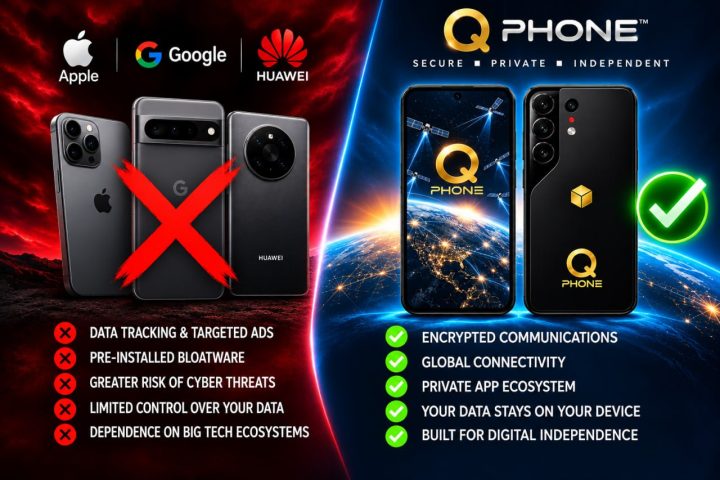
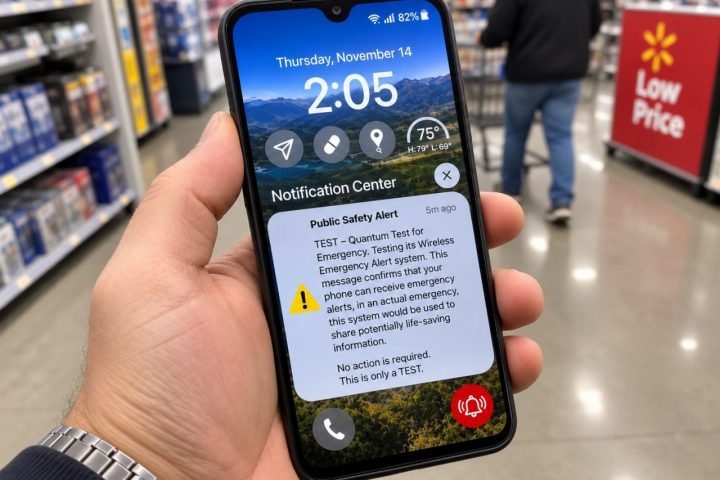
READ FULL STORYIn this story, a small group of residents carries prototype Q Phone devices equipped with an experimental neighborhood mesh mode. Their screens show a simple message: Local connection available. It is the beginning of a very different kind of communications night.
A message takes the long way home
Mara, a volunteer at a community kitchen, writes a short note: “We have power, water and space for twenty people.” Her device passes the message to the next compatible device within range. That device passes it onward. The message hops across rooftops and apartment blocks until it reaches the emergency team at the library.
The fictional system does not magically cover an entire continent. Each relay needs power, radio range and another willing participant. Buildings, distance and crowded signals create gaps. Still, for short local messages, the neighborhood network gives people a shared point of contact.
The quiet trade-offs
The city’s engineers have a difficult choice. If the mesh network broadcasts detailed locations, finding help could become easier—but so could tracking participants. If every message is heavily restricted, urgent information might travel too slowly.
In the story, the devices let residents opt in to emergency mode, choose what to share and erase temporary local data after the incident. Essential notices receive priority, while rumors are flagged for verification by named local coordinators.
Dawn returns the signal
By morning, conventional communications begin returning. Mara’s phone reconnects. The library sends one final neighborhood update and closes the temporary network.
The lesson is not that a particular commercial Q Phone can operate without towers. This is a fictional scenario, inspired by real discussions around resilience and device-to-device communication. A genuine emergency plan still needs official alerts, charged devices, trusted local contacts and more than one way to communicate.